
Cloud Budget Guardrails to Optimize Costs
Cloud adoption offers agility and scalability. Without clear guardrails in place, cloud computing costs will become unpredictable. Major hyperscalers like AWS, Azure, and GCP operate on complex consumption models that incentivize usage.
Uncontrolled cloud resources allocation and idle services can lead to overspending and unnecessary expenses. Cloud budget guardrails mitigate the risk of overprovisioning resources. You should not pay for more than you need.
Why Establish Cloud Budget Guardrails?
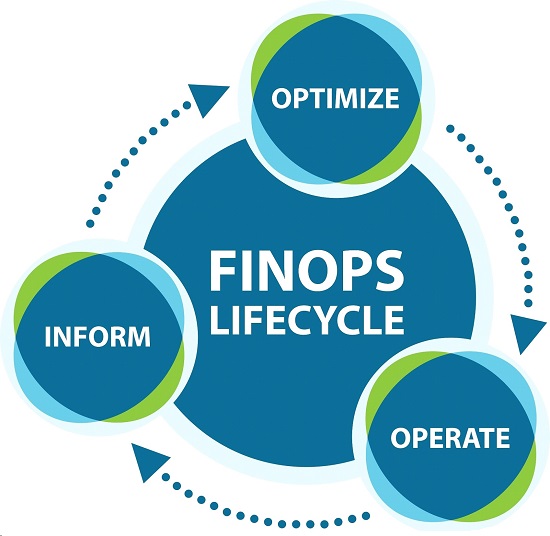
The goal of establishing robust Cloud Budget Guardrails is to shift your cloud spending from a variable, reactive cost to a predictable, governed OpEx model. This approach is also known as FinOps. It provides data-driven insights for making better cloud cost decisions. Ensures that every dollar spent in the cloud drives measurable business value.
This guide outlines the three critical pillars of budget control to maximize the business value of your cloud investments.
3 core pillars of Cloud Budget Guardrails:
- Establish Granular Visibility and Accountability.
- Proactive Resource Utilization Optimization (FinOps).
- Automate and Enforce Governance Policies.
Establish Granular Visibility and Accountability
You cannot manage what you cannot measure. The first step to controlling costs is achieving 100% visibility into where our cloud investment is being spent. Who is spending it, and why we are spending it for. By measuring, we can identify what is working, what isn’t, and make informed decisions to improve performance.
Mandatory Cost Allocation Tagging
Tagging is the most important mechanism for accountability. All cloud resources like virtual machines (VM), storage buckets, databases, and network services must be tagged with mandatory metadata.
| Tag Category | Example Key | Purpose |
| Business Unit | Project or Department | Allocate costs to the correct internal budget holder (e.g., Marketing, R&D). |
| Environment | Environment or Stage | Differentiate between low-cost Test/Dev environments and critical Production resources. |
| Owner | Owner or Contact ID | Identify the responsible engineer or team for cleanup and review. |
Centralized Cost Reporting
Use dedicated cloud cost management tools (or native console features) to break down spend by the tags established above. Reports must be provided to the respective Budget Owners (VPs, Directors) monthly, not just the IT team. This creates necessary financial pressure and transparency.
Proactive Resource Utilization Optimization (FinOps)
Visibility shows you the waste; optimization eliminates it. This pillar focuses on ensuring that provisioned capacity accurately matches required demand.
Right-Sizing and Decommissioning
Over-provisioned VMs or databases are the most common source of waste. Right-sizing involves shrinking resources (CPU, RAM, storage) to match actual usage data.
- Schedule Downtime: Automatically shut down non-production resources (Test, Dev, QA) outside of business hours (e.g., nights and weekends). This single step can immediately save 30-40% on non-essential compute costs.
- Identify Orphaned Assets: Regularly scan for storage volumes (like EBS or unattached disks) or load balancers that remain provisioned after their associated virtual machines have been terminated. Decommissioning these “orphans” is pure savings.
Leveraging Discount Mechanisms (Commitments)
For predictable, long-running workloads, relying on on-demand pricing is expensive.
- Reserved Instances (RIs) / Savings Plans: Commit to using a certain level of compute or database capacity for one or three years in exchange for significant discounts (often 30-75% off).
- Choosing the Right Cloud Type: For workloads demanding predictable, low-latency I/O (like large databases, HPC, or I/O-intensive legacy systems), a Bare Metal Cloud or Managed Private Cloud often provides better performance predictability and a much more stable, fixed monthly cost than variable public IaaS.
Automate and Enforce Governance Policies
Cost control must be enforced by automated policies, not manual processes. Relying on engineers to manually shut down non-production servers is a recipe for failure.
Policy-as-Code Enforcement
Implement Infrastructure-as-Code (IaC) tools (like Terraform or CloudFormation) that include mandatory tagging rules. If an engineer tries to spin up a new resource without the required Project and Owner tags, the deployment should be automatically blocked.
Proactive Alerting and Anomaly Detection
Set up threshold alarms to catch potential runaways early.
- Budget Alerts: Trigger an alert when a specific service (e.g., data transfer, serverless function usage) exceeds 50% of its monthly forecasted budget.
- Anomaly Detection: Use cloud provider tools to detect sudden, unexpected spikes in usage. This often flags misconfigured auto-scaling, infinite loops, or potential security incidents (like crypto-mining) before they translate into a massive bill.
Implement Cloud Budget Guardrails
We understand that building and maintaining these complex cloud budget guardrails takes specialized expertise and time. Our managed services are designed to give you guaranteed control and predictable OpEx. Establishing financial predictability for your IT infrastructure covers these key aspects.
Fixed-Price IaaS
Our Managed Private Cloud and Bare Metal Cloud solutions are delivered via a fixed monthly OpEx subscription. This eliminates the uncertainty of usage-based billing and surprise charges common in hyperscalers.
Active Right-Sizing
Our Managed Services team will actively monitors your consumption, proactively recommending and executing resource rightsizing. Ensure you only pay for the performance you need, while maintaining guaranteed SLAs.
Governance through Management
By outsourcing your infrastructure management to us, we guarantee that all compliance and governance standards like log retention, patching, and resource tagging are enforced 24/7. Minimize internal oversight risk.